The Intelligence in Your Chilled Water Loop
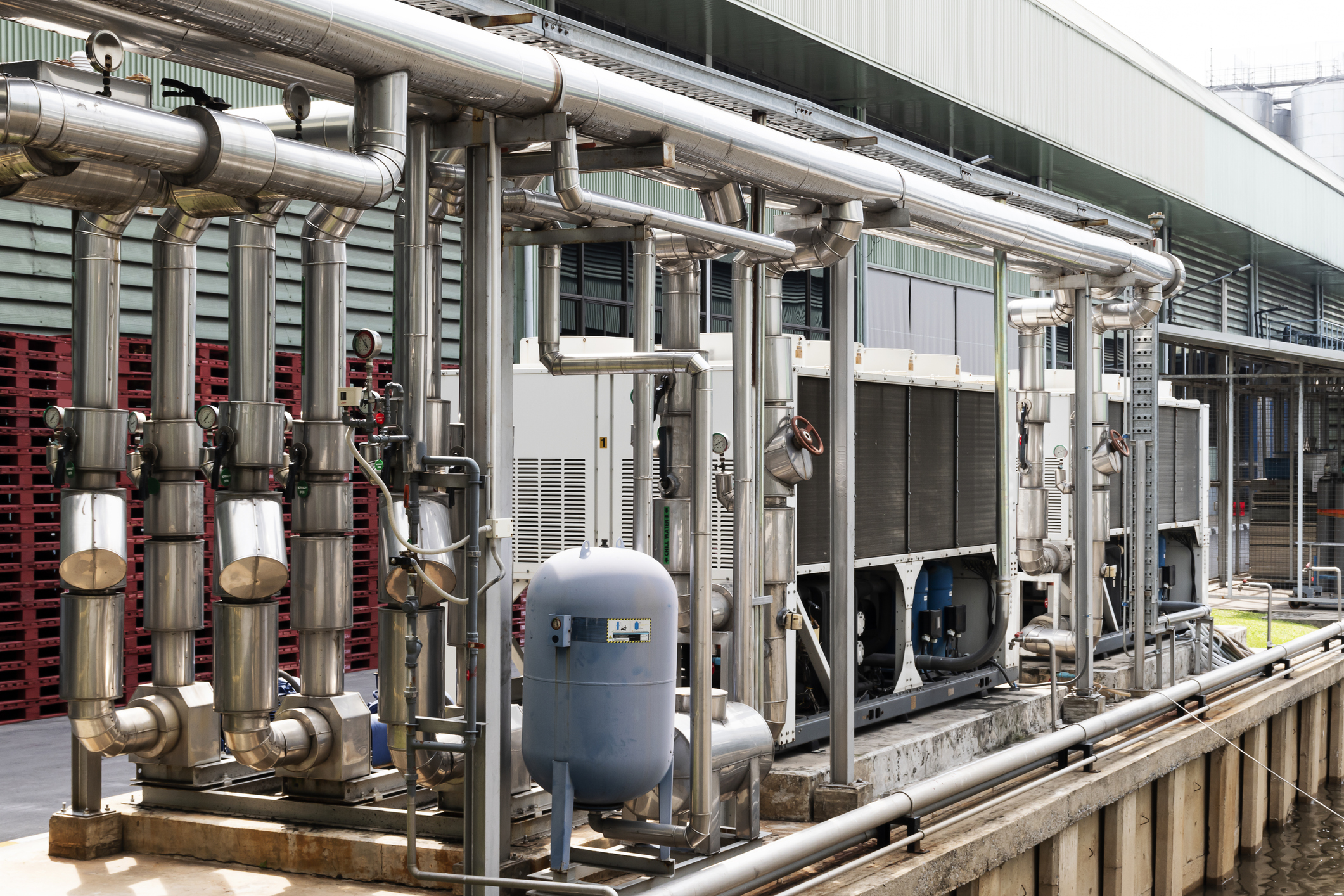
Real-Time Data Engine
Chilled water systems are among the largest energy consumers and most operationally complex infrastructure on any campus. They run continuously, serve dozens of buildings simultaneously, and operate largely out of sight. However, the chilled water plant often sits behind a wall of legacy controls and alarm-only monitoring which means you know when something breaks but you don’t have the visibility to know when something is about to break. This gap is the difference between a connected campus and a truly intelligent one.
A central chilled water plant isn’t just cooling infrastructure, it’s a real-time data engine. Every degree of temperature differential, every kilowatt of compressor load, every gallon per minute flowing through the distribution loop tells a story about how your campus is performing.
When chilled water Delta-T starts compressing it’s a signal that something upstream has changed. This could mean dirty coils in a lab building, a control valve that’s drifted, or an airside system fighting itself. A compressed Delta-T burns energy, stresses equipment, and quietly degrades comfort across dozens of downstream zones at once. Usually by the time that shows up as a work order or a comfort complaint, the inefficiency has already cost you. The question your monitoring platform should be answering isn’t “what broke?” It’s “what was trying to tell us something, and when?”
The challenge is that the data that explains chilled water performance rarely lives in one place. When those systems can’t communicate, operators are navigating by instruments that only show part of the picture and making reactive decisions with fragmented information.
The institutions getting this right aren’t necessarily the ones with the newest equipment, instead they’re the ones who have built a unified view that brings all of these data streams together in real time, so operators can see the campus the way it actually functions, not the way the legacy siloes present it.
Facilities that integrate chilled water monitoring with fault detection and diagnostics report reductions in cooling plant energy consumption without major equipment upgrades. Data-driven support in the chilled water loop can surface anomalies before they become service calls.
To learn more about how WatchPost can work with your organization, schedule a demo or reach out to Tim Gimbel at Tim.Gimbel@DSAINC.COM.